Bronwyn Williams discusses the concept of the ‘AI apocalypse’ and the broader technological and geopolitical shifts impacting society. The conversation explores how globalization, automation, and the concentration of wealth influence individual value, job security, and societal structures, offering practical insights for survival and adaptation.
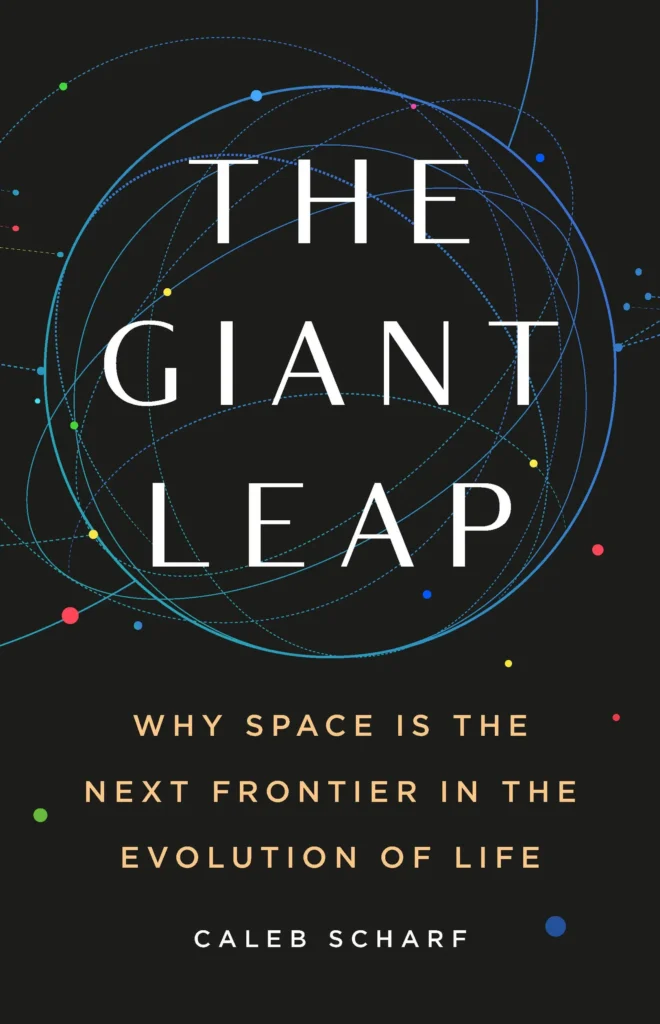
In this episode, Dr. Caleb Scharf returns to the show, where we discuss his book The Giant Leap: Why Space Is the Next Frontier in the Evolution of Life, exploring the intersection of biology, technology, and space exploration. He argues that space travel is not merely a technological endeavor but a biological phenomenon that reflects the evolution of life on Earth.
The conversation delves into thermodynamics, the role of abstract thought in enabling space exploration, and the ethical considerations of human expansion into space. Scharf emphasizes the importance of understanding our place in the cosmos and the potential for life to evolve beyond Earth.
Conversation Map
Introduction to space exploration and astrobiology The discussion begins with how astrobiology reframes space exploration: not as engineering expansion, but as a biological question about where life can exist and how we would recognize it.
The biological perspective on space travel Spaceflight is reconsidered from the standpoint of organisms rather than rockets – what environments bodies require, what constraints biology imposes, and why most of the difficulty of space travel is physiological rather than mechanical.
Thermodynamics and the nature of life Living systems are examined as thermodynamic processes: organized structures sustained by continuous energy flow rather than static objects.
Entropy and life’s counterforces Life does not violate entropy; it locally resists disorder by exporting it outward. This provides a framework for detecting life elsewhere by identifying energy gradients being actively exploited.
The evolution of technology and intelligence Technology is treated as a continuation of evolution – an externalized adaptation system allowing intelligence to modify environments instead of adapting bodies.
The role of abstract thought in space exploration Abstract reasoning enables long-horizon planning, making space exploration possible before it is practical. The idea precedes the capability.
The challenges of becoming a multi-planet species Colonization is not mainly a transportation problem but a systems problem involving ecosystems, radiation exposure, reproduction, and long-term viability.
The future of robotic exploration Robots may be the natural first explorers because machines tolerate environments that biological organisms cannot, changing what “exploration” means.
The possibility of machine life on Mars A speculative scenario: self-replicating or adaptive machines could become a new evolutionary lineage, blurring the distinction between biological and technological life.
Changing perspectives on exploration Space exploration shifts from heroic travel narratives to questions about information gathering, sensing, and remote presence.
Contamination and Earth’s microbial legacy Sending probes risks exporting terrestrial microbes, complicating the search for indigenous life and potentially altering extraterrestrial ecosystems.
Ethics of colonization Whether humans should settle other worlds depends on how we value non-Earth life and whether preservation or expansion takes priority.
Human society in space Long-term habitation raises social and political questions: governance, isolation, cooperation, and cultural evolution in constrained environments.
Technological vs. Darwinian evolution Biological evolution operates slowly through selection, while technological evolution changes environments rapidly; the interaction between the two shapes humanity’s future.
Effects of space exploration on Earth Exploration feeds back into terrestrial life through technology, perspective shifts, and changes in how humanity understands its place in the universe.
Agriculture vs. rocketry Historically, agriculture transformed civilization more than transportation technologies. The conversation closes by comparing foundational innovations to question whether spaceflight will be similarly transformative.
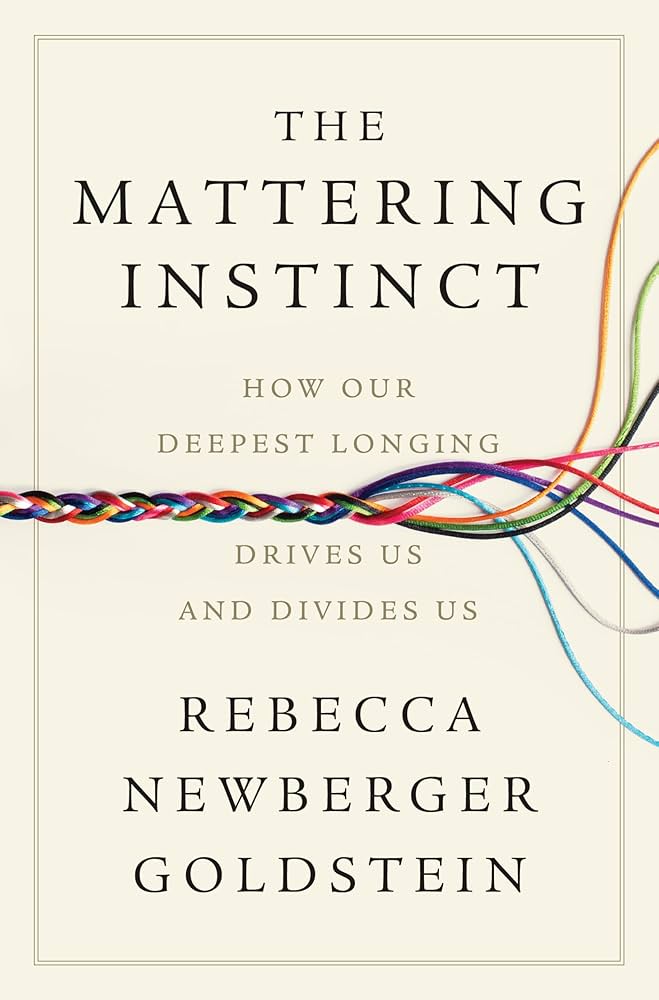
In this conversation, Armen Shirvanian and Dr. Rebecca Newberger Goldstein explore the concept of ‘mattering’, the intrinsic human desire to feel significant and valued, from her book The Mattering Instinct. They discuss the challenges of self-identity in a commodified world, the importance of social connections, and the various strategies individuals employ to find meaning in their lives.
Goldstein introduces her ‘mattering map,’ which categorizes different approaches to mattering, and emphasizes the need for genuine connections that foster creativity and personal growth. The conversation also touches on the philosophical implications of mattering, the role of entropy in our lives, and the moral responsibilities that come with our quest for significance.
In this episode, Armen Shirvanian explores the shifting landscape of trust as institutions face increasing scrutiny and failure. He discusses how trust is transitioning from traditional institutions to individuals and networks, emphasizing the importance of personal integrity, competence, and the role of data in shaping perceptions of trust.
The conversation delves into the implications of AI in trust dynamics, the erosion of faith in political systems, and the emergence of local legitimacy as a response to institutional failure. Shirvanian highlights the need for transparency, principles, and joint truth-seeking as essential components in building trust in the modern world.
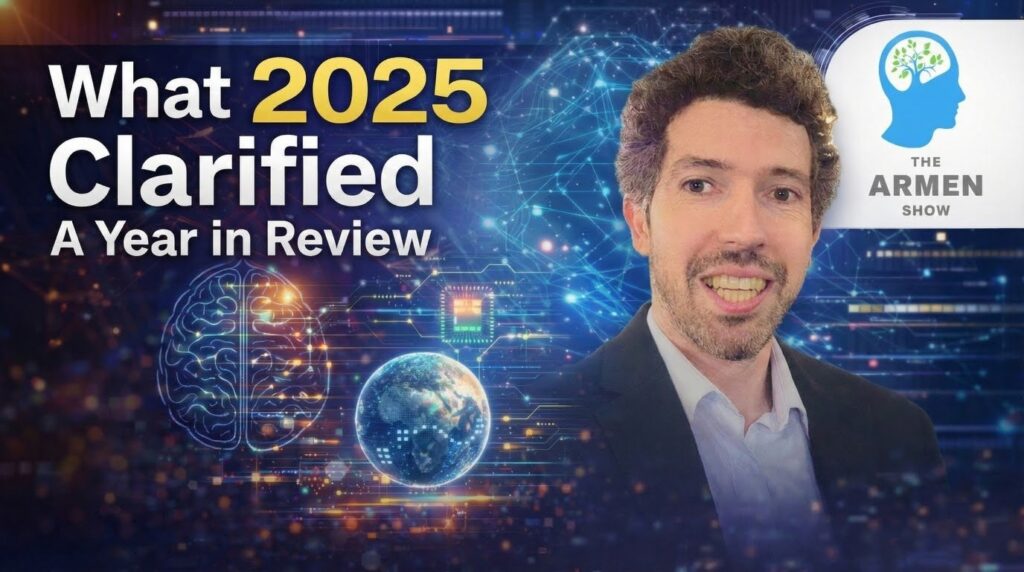
This isn’t a recap of episodes or a list of guests.
It’s a look at what became clearer over the course of 2025.
Across conversations on The Armen Show this year – covering AI, psychology, culture, biology, health, systems, and creativity – the same underlying patterns kept appearing. This episode steps back to reflect on those patterns, rather than adding more information on top of them.
I talk through:
How data turns into meaning, and where it often goes wrong
The difference between conformity and real coordination
Why intelligence is layered, not singular
How AI amplifies human intent rather than replacing judgment
Why limits, loss, and constraint tend to reveal what actually matters
The visuals in this episode are meant as anchors for thinking, not explanations or slides.
The goal here isn’t novelty or speed – it’s clarity.
Thanks to everyone who came on the show this year, and to everyone who spent time listening and thinking along the way.
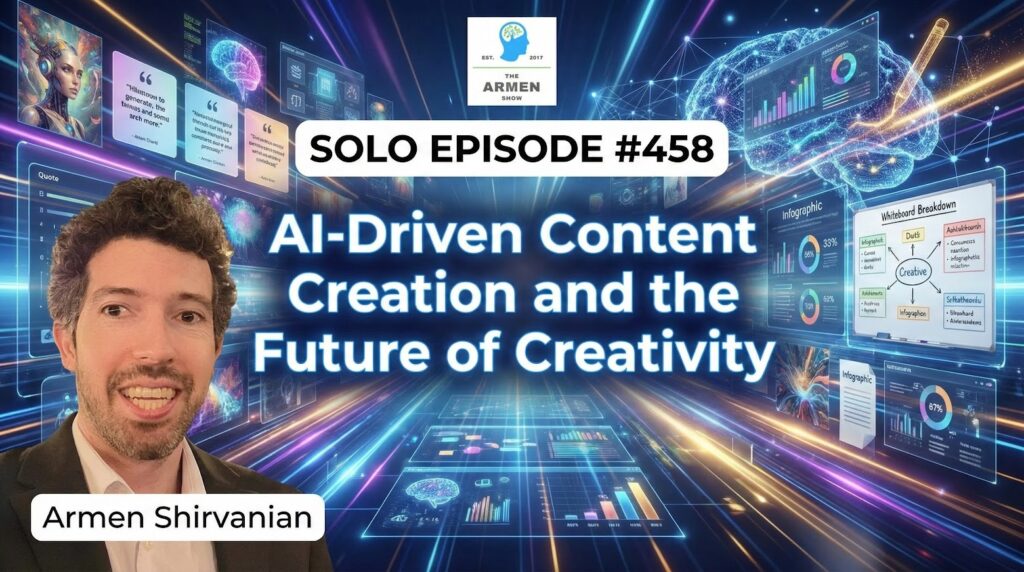
In this solo episode, I dive into the rapidly evolving world of AI-driven content creation and the new possibilities it opens for creators. From image generation to quote cards, infographics, whiteboard breakdowns, and visual storytelling, the tools now available let anyone bring ideas to life in ways that were nearly impossible just a few years ago. I walk through examples from my own workflow, showing how I create visual pieces from past interviews, books, and concepts – and how these tools let us represent people, ideas, and conversations with more depth than ever before.
We explore how images can amplify the message of a podcast episode, how visual summaries help with understanding, and how tailoring a background or aesthetic can make a quote or concept feel more alive. Whether you’re a creator, a thinker, or someone curious about the future of technology and expression, this episode offers a look at where digital creativity is heading.
Episode 458 is about embracing the moment we’re in – the most advanced creative era yet – and using these tools to express more, share more, and build more momentum moving forward.
In this episode of The Armen Show, host Armen Shirvanian is joined by economist and author Dr. Robin Hanson for a deep and wide-ranging conversation on open discourse, prediction markets, futarchy, and the evolution of culture.
They begin by examining the value of figuring things out together – why true intellectual collaboration requires curiosity, humility, and non-attachment to one’s ideas. Robin explains how focusing on key questions, rather than defending positions, allows for genuine progress in understanding the world.
From there, the discussion moves into prediction markets and how conditional decision markets can help societies make better, evidence-based decisions. Robin elaborates on his governance model of futarchy, where nations “vote on values but bet on beliefs,” and explores how this framework could reshape politics, policy, and long-term coordination.
Later, they unpack cultural drift – the idea that our modern global monoculture is evolving maladaptively as selection pressures weaken. Robin connects this to shifts in human values, conformity, and our return to pre-agricultural instincts, and Armen links it to social dynamics, risk-taking, and the modern relationship landscape.
The episode closes with insights on adaptation vs. reinvention, institutional decay, and what it means to maintain agency and alignment with reality in a rapidly converging world.
If you’re interested in how humanity thinks, governs, and evolves – this episode offers an uncommon lens on the past, present, and future of human progress.
In this episode of the Armen Show, Armen Shirvanian interviews Dr. Kaleda Denton, a post-doctoral fellow at the Santa Fe Institute. They discuss the interdisciplinary nature of the Institute, the concept of niche construction in biology, and the dynamics of decision-making, particularly the differences between following the mean versus the majority.
The conversation also explores the limitations of game theory, the role of cultural evolution in cooperation, and the impact of AI on accessibility and learning. They delve into the importance of reducing polarization while maintaining diversity in viewpoints, emphasizing the need for mixing and collaboration across different fields and perspectives.
In this engaging conversation, Dr. Kaleda Denton and Armen Shirvanian explore a variety of topics including the distinction between majority and mean opinions, the challenges of reading in the digital age, and the implications of large language models (LLMs) on culture. They discuss the importance of communication in society, the influence of close circles versus wider communities in learning, and the role of influential figures in personal development.
The conversation also delves into the concept of memes and cultural transmission, the impact of role models on cumulative culture, and the question of human uniqueness in the context of cultural evolution.
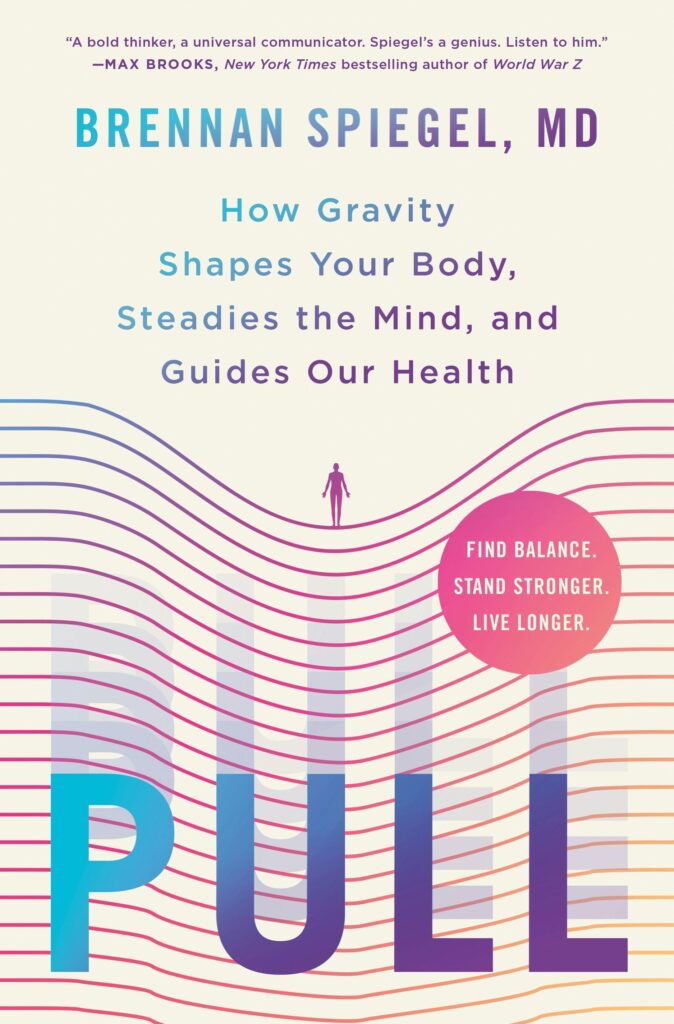
In this episode of The Armen Show Podcast, host Armen Shirvanian welcomes back Dr. Brennan Spiegel to discuss his new book, ‘Pull,’ which explores the profound impact of gravity on our health and well-being. The conversation delves into the intersection of gravity, consciousness, and health, emphasizing the importance of maintaining physical resilience against the force of gravity.
Dr. Spiegel shares insights on the role of AI in healthcare, the gut-brain connection, and the significance of posture and balance. The discussion also introduces the concept of ‘gravitypes,’ a framework for understanding individual relationships with gravity and how they affect mental and physical health. Ultimately, the episode encourages listeners to engage with gravity positively to enhance their overall well-being.
Check out The Gravity Doctors Podcast – Dr. Brennan Spiegel and Dr Lachlan Kent introduce you to the world of Biogravitational Medicine and how gravity shapes our bodies and minds for better or worse – https://thegravitydoctors.com/
In this episode, Dr. Nayan Patel discusses his journey from pharmacy to exploring the depths of health and wellness through glutathione. He emphasizes the importance of personalized medicine, the impact of aging on health, and the role of lifestyle choices in maintaining optimal health.
The conversation delves into the significance of glutathione in detoxification and healing, the relationship between stress and hormones, and the growing interest in longevity medicine. Dr. Patel advocates for listening to the body’s signals and empowering it to heal itself, while also addressing the challenges faced in the pharmaceutical landscape.
In this episode, Dr. Melissa A. Ilardo discusses her research on breath-hold diving populations and the genetic adaptations that allow them to thrive in extreme conditions. She emphasizes the importance of language in conducting research, the role of community engagement, and the potential therapeutic applications of her findings.
The conversation also touches on the significance of clear communication in science and the celebration of resilience in human populations.
In this episode of The Armen Show, host Armen Shirvanian discusses the evolving landscape of book writing in 2025. He emphasizes the abundance of resources and tools available to aspiring authors, including AI-assisted writing and editing, and the rise of self-publishing.
Armen explores the importance of maintaining a creative flow while utilizing digital tools, and highlights the significance of clarity in the writing process. He also provides insights into effective writing practices, research management, and the value of community support for writers.
In this episode, Armen Shirvanian explores the intersection of artificial intelligence and creativity, discussing how to co-create with AI while maintaining the human touch. He delves into copyright issues surrounding AI-generated content, the implications of the EU AI Act, and the dual nature of AI as both a tool for enhancing creativity and a potential flattening force.
The conversation also touches on the rise of AI companions and virtual influencers, emphasizing the importance of human connection and the ethical considerations of emotional AI.
In this episode of The Armen Show, Armen Shirvanian explores the complex dynamics of status in modern life, focusing on the distinction between earned and perceived status. He discusses how social media influences our understanding of status, the costs associated with maintaining an image, and the importance of reclaiming real value in our lives. The conversation also touches on the role of AI in status signaling and emphasizes the need to build a strong foundation of earned status for long-term fulfillment.
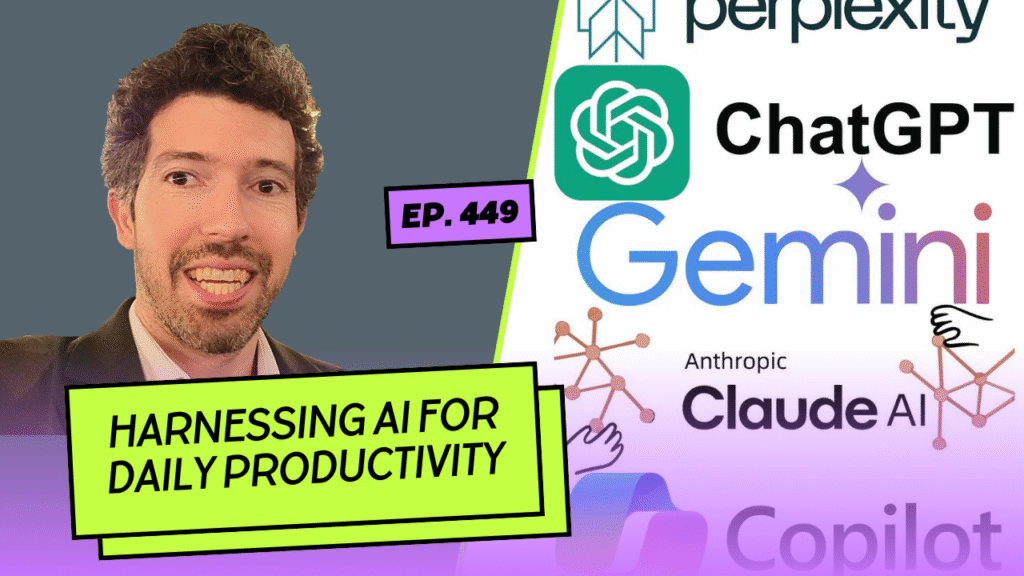
In this episode, Armen Shirvanian explores the practical applications of artificial intelligence in daily life, discussing how AI can enhance productivity, organization, and decision-making. He shares personal experiences and insights on using AI for tasks such as organizing files, automating document submissions, and discovering local spots. The conversation emphasizes the importance of actively engaging with AI tools to maximize their benefits and reduce friction in everyday tasks.
In this episode of the Armen Show, Armen Shirvanian discusses the current state of artificial intelligence (AI) and its implications for society. He explores the dual perspectives on AI, highlighting both the concerns and the opportunities it presents
Armen shares practical applications of AI that can enhance productivity and personal growth, emphasizing the importance of engaging with AI to gain insights and clarity. He also reflects on the role of AI as a connection tool and offers closing thoughts on navigating life with AI in a rapidly changing world.
In this episode, Armen Shirvanian hosts Professors Jennifer Jacquet and Becca Franks to discuss the critical issues surrounding aquaculture, sustainability, and fish welfare. They explore the rapid expansion of aquaculture, its environmental impacts, and the need for a more nuanced understanding of the diverse species involved.
The conversation highlights the gaps in research and the importance of policy changes to address the welfare of aquatic animals and the sustainability of marine ecosystems. This conversation explores the intricate relationships between humans and aquatic life, emphasizing the need for a reimagined understanding of our connection with ocean animals. The discussion highlights the intelligence of octopuses, the impact of the Anthropocene on marine ecosystems, and the role of shame and social approval in influencing consumer behavior regarding seafood.
The speakers advocate for interdisciplinary approaches to ocean conservation and emphasize the importance of emerging research questions that can enhance our understanding and protection of marine life.
Jennifer Jacquet is an American researcher and a professor of environmental science and policy at the Rosenstiel School of Marine, Atmospheric, and Earth Science, at the University of Miami. She also works as an associate director of research at Brown University’s Climate Social Science Network.
Becca Franks is Assistant Professor of Environmental Studies. She holds a Ph.D. in Psychology from Columbia University and a B.A. in Anthropology from New York University. Franks’s research and teaching lie at the intersection of environmental and animal protection, specializing in animal behavior, aquatic animal welfare, quantitative methods, and human-animal relationships.
In this episode of the Armen Show Podcast, host Armen Shirvanian welcomes Derek Sivers, a renowned author and entrepreneur. They discuss the importance of principles, the art of writing, and the significance of clarity in communication. Derek shares insights on how to prioritize opportunities, the role of luck in success, and the value of critical thinking. The conversation emphasizes the need to embrace fear and push boundaries to create unique experiences worth sharing.
In this conversation, Armen Shirvanian and Derek Sivers explore the importance of pioneers in various fields, the value of choosing uncomfortable paths, and the impact of strong opinions in decision-making. They discuss the concept of ‘Useful Not True’ as a personal philosophy, emphasizing the significance of feelings in shaping actions. The dialogue also touches on cultural perspectives on truth, the distinction between philosophy and science, and the importance of embracing individuality in thought.
Finally, they reflect on conversations and the dynamics of social interactions. In this engaging conversation, Armen Shirvanian and Derek Sivers explore the intricacies of human connection, the art of podcasting, and the importance of diverse perspectives in life. They discuss the challenges of friction in daily life, the search for belonging, and the evolution of content creation in the digital age. Derek shares insights from his book ‘How to Live’ and emphasizes the value of recognizing one’s achievements while encouraging a shift in perspective.
Derek Sivers is an author of philosophy and entrepreneurship, known for his surprising quotable insights and pithy succinct writing style.Formerly a musician, programmer, TED speaker, and circus clown, he sold his first company for $22 million and gave all the money to charity.Sivers’ books (How to Live, Hell Yeah or No, Your Music and People, Anything You Want) and newest projects are at his website: sive.rs
In this episode of the Armen Show, host Armen Shirvanian explores the various ways artificial intelligence tools like ChatGPT, Claude, and Gemini can enhance everyday life. He discusses practical applications for creators, problem-solving, data visualization, and personal planning, emphasizing the importance of dialogue with AI to gain insights and improve decision-making.
00:00 Harnessing AI for Everyday Life
07:30 Enhancing Creativity and Problem Solving with AI
12:32 AI as a Personal Assistant for Planning and Maintenance
In this conversation, Armen Shirvanian and Dr. Sophie Scott-Brown explore the concept of anarchy, its misconceptions, and its relevance in contemporary society. They discuss the difference between anarchy and chaos, the nature of human behavior in relation to law and order, and the importance of individuality within community dynamics.
Sophie emphasizes that anarchy is not merely a lack of governance but a potential for creative and collaborative engagement in society. The discussion also touches on the ethics of practice in anarchism, challenging the notion that it is unrealistic or utopian. In this conversation, Sophie and Armen delve into the complexities of anarchism, exploring its ethical implications, the importance of sociability, and the challenges posed by existing systems.
They discuss the role of education in fostering creativity, the impact of AI on the future of work, and critique the concept of meritocracy. The dialogue emphasizes the need for critical thinking and practical steps towards embracing anarchist principles in everyday life.