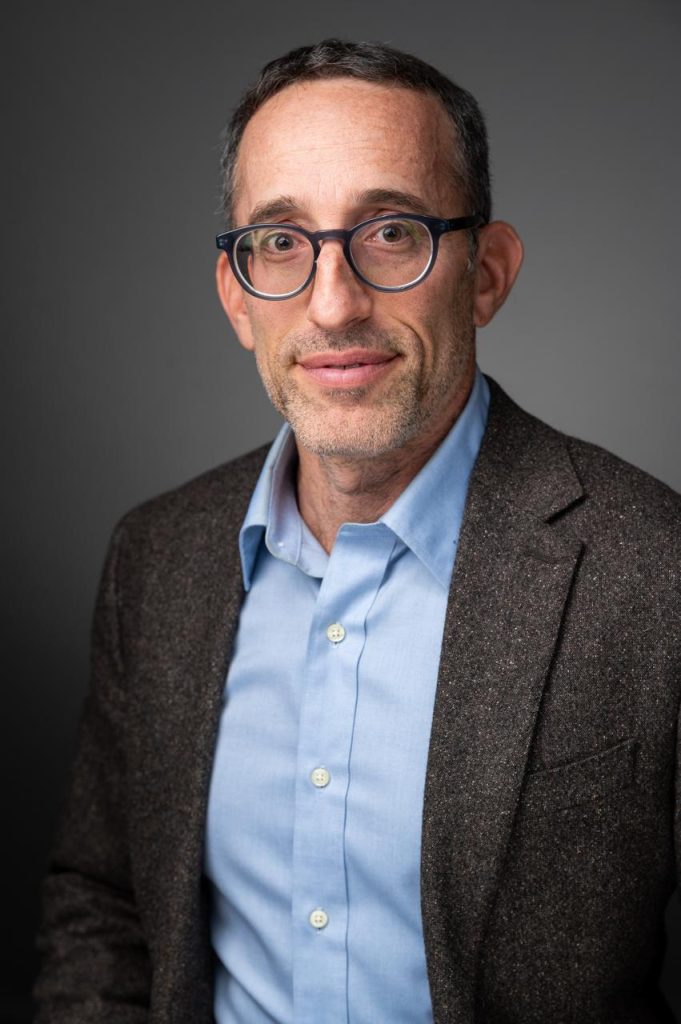
A conversation with Professor Michael Gurven of UC Santa Barbara on the evolutionary structure of human lifespan and the misconceptions surrounding aging.
The central claim of Gurven’s work is that humans were not “designed” for short lives that modern medicine has recently extended. Rather, the capacity to live roughly seven decades has long been part of our species’ biological design, conditional on surviving early-life risks.
This reframing shifts the discussion from “why are we living so long now?” to “what has always been possible, and under what conditions?”
The discussion develops across three layers:
1. Lifespan vs. Life Expectancy
Average life expectancy in the past was low primarily due to early mortality. Once individuals reached adulthood, living into later decades was common, not exceptional.
2. Why Aging Exists
Aging is not an adaptive trait but a byproduct of evolutionary tradeoffs:
- Early-life advantages outweigh late-life costs
- Natural selection weakens with age
- Resources are allocated to reproduction over indefinite repair
This produces aging as a structural outcome rather than a correctable flaw.
3. Limits of Modern Longevity Thinking
Efforts to “cure aging” often focus on individual mechanisms (genes, cells, diseases), but aging operates across integrated biological systems. Eliminating specific diseases does not remove the underlying aging process—only shifts its expression.
4. Function vs. Chronological Age
Across cultures, aging is not primarily defined by number of years but by functional decline, based on what one can no longer do. This provides a more grounded model of aging than numerical age categories.
5. Cooperation and Longevity
Human lifespan is inseparable from social structure. Cooperation, food sharing, and interdependence are not peripheral, but they are foundational to reaching older ages in the first place.
—
This episode integrates evolutionary theory, anthropology, and modern health discourse into a single model: aging is not a recent problem to solve, but a long-standing feature of human design with identifiable constraints and tradeoffs.
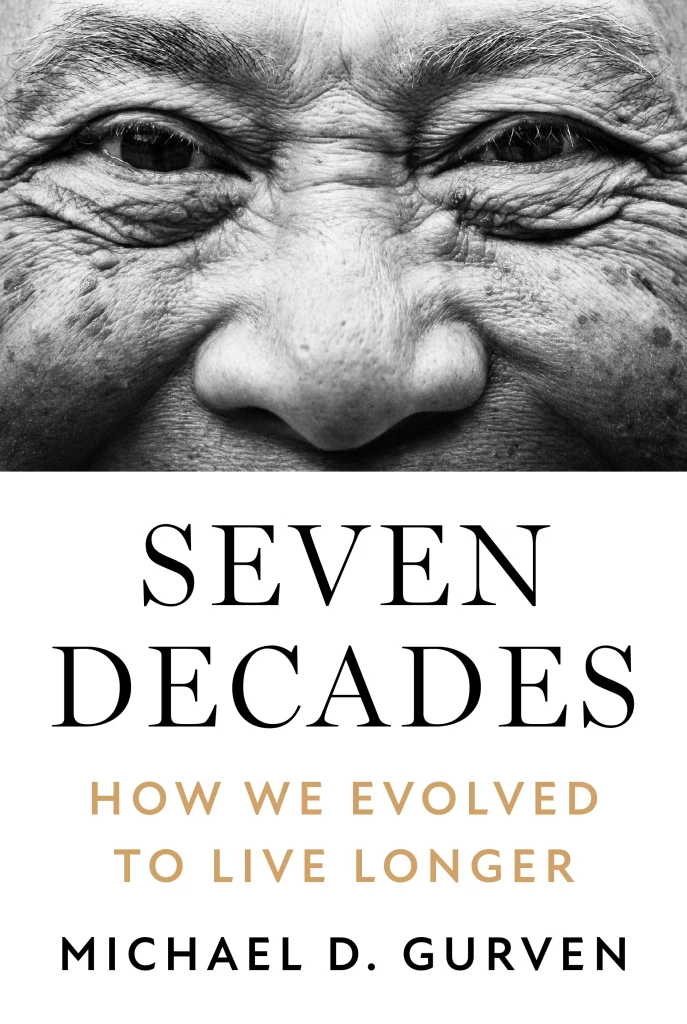
Professor Michael Gurven is an evolutionary anthropologist whose research connects human lifespan, health, and behavior to our species’ cooperative social structure. He has conducted over two decades of fieldwork with indigenous populations in South America and co-directs the Tsimane’ Health and Life History Project, which examines how environment and lifestyle shape health and aging in subsistence societies. His work applies an evolutionary perspective to modern diseases and focuses on how social and environmental factors, including acculturation and market integration, affect development, aging, and chronic disease risk across the lifespan.
Watch or listen to the full conversation below.
Podcast: Play in new window | Download
Subscribe: RSS